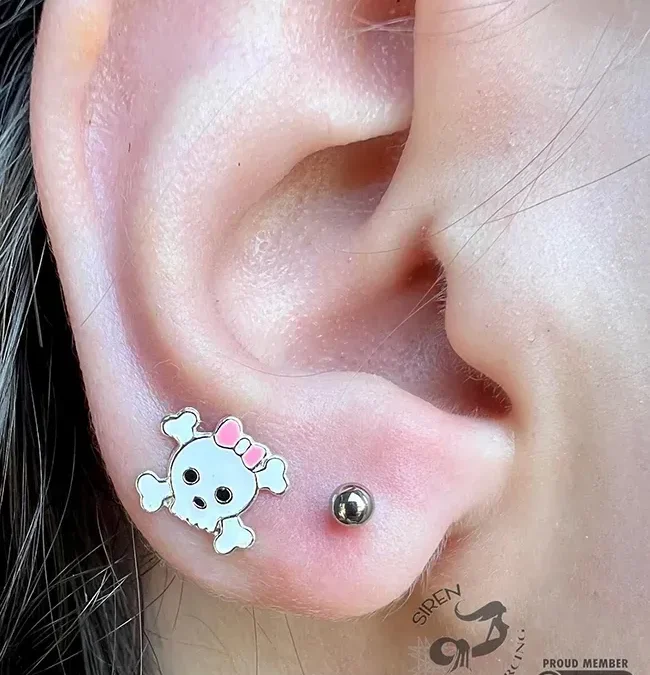
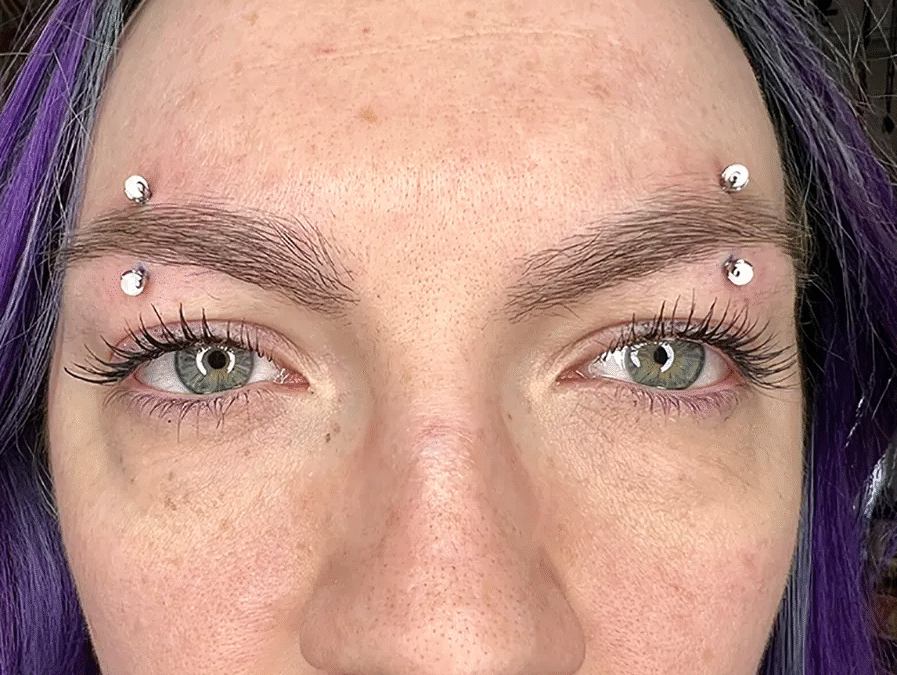

Quick Answer: Clean your child’s new ear piercing twice daily with a saline solution, avoid touching or rotating the jewelry, keep them out of pools, lakes, and hot tubs until fully healed, and watch for spreading redness or discharge as signs to call your piercer....
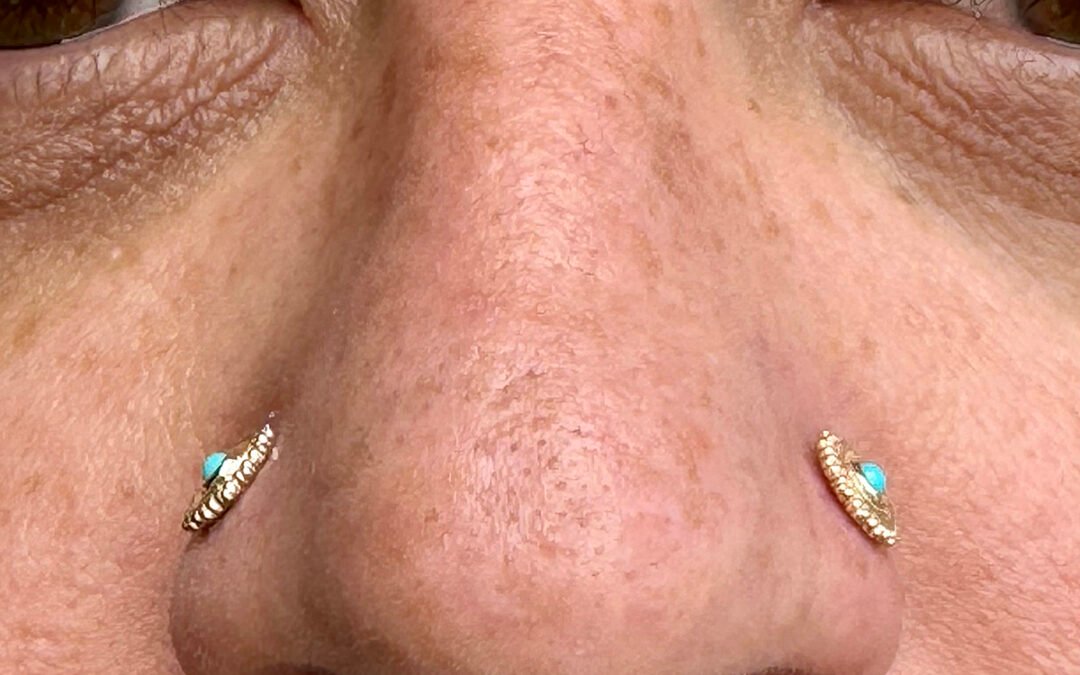
Quick Answer: Healing time depends heavily on placement: earlobes typically heal in 6–8 weeks, cartilage piercings like helix, tragus, and conch can take 3–12 months, nostril piercings average 2–4 months, and navel or nipple piercings can take 6–12 months. These are...
Quick Answer: To find a reputable body piercer near you, check for verified APP membership, confirmed use of single-use sterile needles rather than piercing guns, visible sterilization practices, implant-grade jewelry only, real portfolio photos, and clear aftercare...
Quick Answer: The Association of Professional Piercers (APP) is a nonprofit organization that sets and promotes health, safety, and best-practice standards for the body piercing industry. APP membership is voluntary, which means studios that join are choosing to be...
Quick Answer: Implant-grade jewelry is body jewelry made from materials proven biocompatible enough for surgical implantation — most commonly ASTM F136 titanium, niobium, or solid 14k/18k gold — and it’s the only category of jewelry that should go in a new or healing...